Take a look at this, 75 Years of NHRA Championship Drag Racing: The Legacy That Built American Motorsports!
For 75 years, NHRA Championship Drag Racing has stood as the foundation of organized drag racing, shaping not only a sport—but an entire culture. From its humble beginnings on abandoned airstrips to modern, purpose-built facilities hosting 330-mph machines, NHRA’s journey mirrors the evolution of American performance itself.
This is the story of how NHRA became the gold standard of drag racing—and why its legacy still matters today.
The Birth of NHRA: Racing With Purpose
The National Hot Rod Association was founded in 1951 by Wally Parks, at a time when street racing was dangerous, unregulated, and widespread. NHRA’s mission was simple but revolutionary:
-
Move racing off public roads
-
Create fair, enforceable rules
-
Protect racers and spectators
-
Give hot rodders a legitimate place to compete
That vision didn’t just organize drag racing—it saved lives and legitimized the sport.
The Early Years: When Drag Racing Found Its Identity
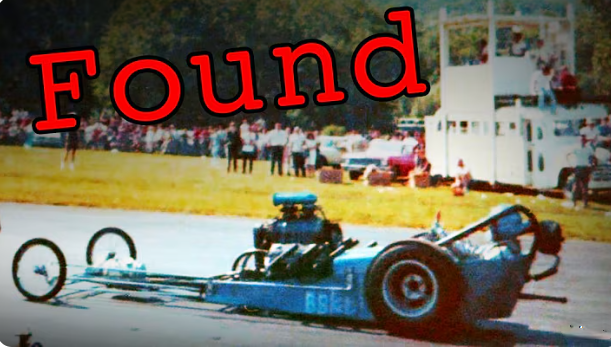
In the 1950s and early 1960s, NHRA events were raw and mechanical. Cars were simple, safety was minimal, and innovation came from garages—not engineers.
This era introduced:
-
Gassers and early dragsters
-
Factory Experimental programs
-
The first national championships
It was a time when bravery mattered as much as horsepower.
The Golden Age: Fuel, Funny Cars, and Factory Wars
The late 1960s and 1970s marked NHRA’s explosive growth. This was the era that defined drag racing for generations.
Key developments included:
-
The rise of Top Fuel and Funny Car
-
Factory-backed teams from Ford, Chevrolet, Chrysler, and Pontiac
-
Larger crowds and national television exposure
Cars became faster, louder, and more dangerous—forcing NHRA to pioneer modern motorsports safety.
Safety Innovations Born From Tragedy
NHRA’s history includes moments of heartbreak, but those moments led to life-saving progress.
Over the decades, NHRA introduced:
-
Mandatory roll cages and fire suits
-
Onboard fire suppression systems
-
Engine containment and clutch shields
-
Chassis certification and inspection programs
Many safety standards used across motorsports today originated in NHRA drag racing.
The Professional Era: Precision Replaces Chaos
As the sport matured, so did the technology. By the 1980s and 1990s, NHRA racing became a balance of:
-
Engineering
-
Data analysis
-
Repeatability
Classes like Pro Stock, Pro Modified, and Top Alcohol elevated drag racing into a discipline where consistency and preparation mattered as much as courage.
330 MPH and Beyond: The Modern NHRA
Today’s NHRA machines are among the fastest accelerating vehicles on Earth:
-
11,000+ horsepower
-
0–330 mph in under four seconds
-
G-forces exceeding those of fighter jets
Yet despite the technology, the core challenge remains unchanged:
Put the power down, stay in control, and survive the run.
The Champions Who Defined Eras
Over 75 years, NHRA has produced legends whose names define generations:
-
Don Garlits
-
Shirley Muldowney
-
John Force
-
Bob Glidden
-
Erica Enders
Each champion represents a different chapter—but all share one trait: adaptation.
NHRA’s Impact Beyond the Track
NHRA didn’t just build racers—it built:
-
Engine builders
-
Chassis innovators
-
Track operators
-
Motorsports careers
Entire industries exist today because NHRA provided a structure where performance could evolve legally and sustainably.
Why NHRA Still Matters in 2025
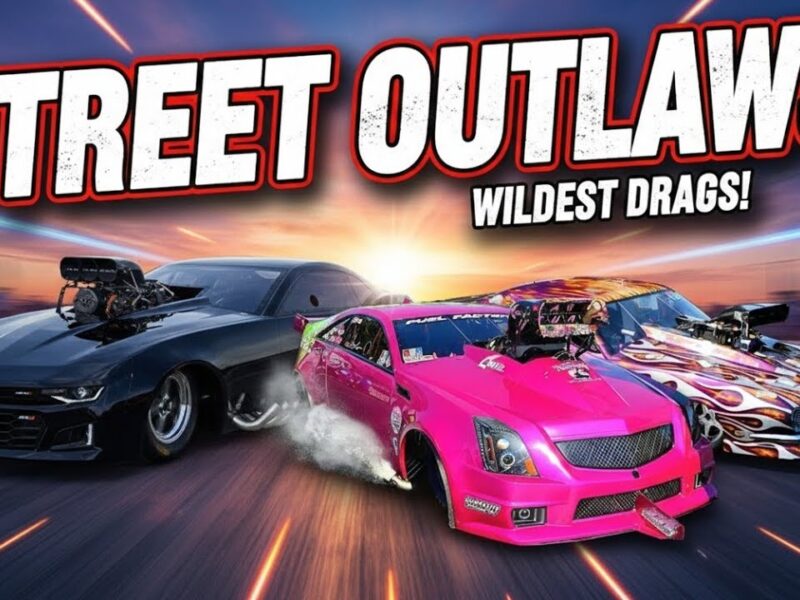
In an era of no-prep racing, social media hype, and crossover series, NHRA remains:
-
The rulebook standard
-
The safety authority
-
The historical backbone of drag racing
While formats evolve, NHRA continues to represent discipline, legitimacy, and lineage.
The Next 75 Years: Evolution, Not Replacement
NHRA faces challenges—changing audiences, rising costs, and new racing formats—but its role is secure.
The future will likely include:
-
Continued safety innovation
-
Expanded digital engagement
-
Cross-discipline talent movement
But the core mission will remain unchanged: organized, fair, and safe drag racing.
Final Thoughts: A Legacy Written in Rubber and Nitro
Seventy-five years of NHRA Championship Drag Racing represents more than trophies and records. It represents:
-
A culture built on innovation
-
A sport shaped by sacrifice
-
A legacy earned through speed and survival
From dirt strips to world-class facilities, NHRA didn’t just witness drag racing history—it created it.
And as long as engines fire and lights drop, that legacy will continue.