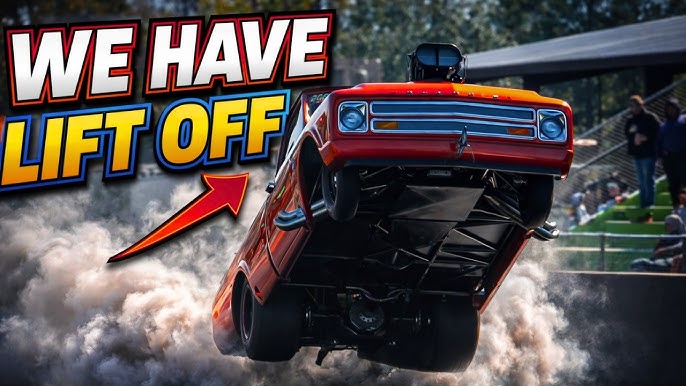
Take a look at this, Big Chief’s Caddy Jack Sets a Personal Best on First Pass After Replacing the Entire Back Half of the Car!

After months of work and a complete replacement of the back half of the car, the crew behind the highly anticipated drag racer “Caddy Jack” finally returned to the track — and the result was nothing short of spectacular. On its very first pass back, the car delivered a new personal-best quarter-mile time, proving that the rebuild was worth the effort.
This exciting milestone comes after a significant offseason rebuild cut the car’s rear frame and suspension area out, retubed the structure, and reinstalled all components stronger and better designed for competition. The video captures the emotional reaction from the crew and owner as the car finally hits the strip and posts its fastest ET yet.
🔥 A Fresh Start: Rebuilding the Back Half
Caddy Jack’s journey to this moment wasn’t simple. In previous outings, the chassis and suspension components had shown signs of stress and failure — including issues with the 4-link mounting and rear structure that ultimately demanded a full rebuild.
The team made the bold decision to replace the entire back half of the car, bolstering its strength, refining geometry, and ensuring the chassis could handle the massive torque and nitrous power they’re running. When a race car gets this level of structural work, it’s not just about fixing a problem — it’s about upgrading the foundation for future performance.
🏁 First Pass — And a New Personal Best
The highlight of the video — and the reason it’s gaining traction in the racing community — is what happened next.
On Caddy Jack’s very first pass out of the trailer after the rebuild, the car not only ran a clean, confident quarter-mile… it also set a new personal best time for the program. That means the car was faster on its first post-rebuild outing than it ever had been before.
The team’s reactions on camera reflect the magnitude of that achievement — there’s shock, celebration, and relief as they realize all the time, money, and effort on the back-half rebuild immediately paid off.
⚙️ What the New Setup Brings to the Table
While specific numbers (ET and trap mph) aren’t detailed in the short clips, the importance of a personal best on the first pass cannot be overstated for a machine like Caddy Jack. It means:
-
Chassis integrity is now aligned with the engine’s power output
-
Suspension geometry is working as intended for traction
-
Weight distribution is optimized after rebuild
-
Launch consistency improved even on the first attempt
Getting all of those factors right before squeezing the car down the track more times is huge — and suggests the rebuild will allow for even more improvement as the team continues to tune and race the car.
🔥 What This Means for Caddy Jack’s Future
A personal best on the first pass after a major rebuild is a confidence-builder and a game-changer for any serious race program. For Caddy Jack, it means:
-
The car is reliably putting power to the ground
-
The chassis upgrades are working exactly as intended
-
The team can now focus on tuning, not fixes
-
Future passes are likely to be even quicker
Fans of Caddy Jack and nitrous-powered dragers are already buzzing about what this rebuild could unlock — from consistent low-ET hits to competitive runs in larger events.
🏁 Final Thoughts: A Successful Return to the Strip
Caddy Jack’s quick return to form — and that momentous first pass personal best — shows the power of solid chassis work and thoughtful engineering in drag racing. Instead of dipping back into old issues, the team rebuilt with purpose and came out stronger on the first try.
For racers and fans alike, this video is a reminder that big rises often come after big rebuilds — and that patience, skill, and persistence can be rewarded in spectacular fashion.