
Take a look at this, NHRA vs IHRA: Drag Racing’s Biggest Shake-Up of 2026 — Who Will Dominate?
The 2026 season is shaping up to be one of the most consequential years in modern drag racing history. With rule changes, class realignments, and strategic positioning on both sides, the long-standing rivalry between NHRA and IHRA is no longer theoretical—it’s competitive, visible, and escalating fast.
This isn’t just about schedules or branding. It’s about who controls the future of professional drag racing.
Why 2026 Is a Turning Point
For years, NHRA and IHRA occupied distinct lanes. NHRA represented the gold standard of professional drag racing, while IHRA focused on accessibility and alternative pathways. In 2026, those lanes are overlapping.
Key forces driving the shake-up:
-
Rising costs pushing teams to seek alternatives
-
Demand for fresh formats and competitive parity
-
Increased crossover between series and classes
-
Fan appetite for variety beyond a single sanctioning body
The result is a head-to-head battle for relevance.
NHRA: Stability, Prestige, and the Established Power Base
NHRA enters 2026 with its traditional strengths firmly intact:
-
The most recognizable championships in drag racing
-
Deep manufacturer relationships
-
Unmatched safety standards
-
Iconic classes like Top Fuel and Funny Car
NHRA’s advantage is credibility. Winning an NHRA championship still carries unmatched prestige, and for elite teams, that status matters.
However, the same structure that provides stability can also limit flexibility—especially as budgets tighten and innovation accelerates.
IHRA: Agility, Opportunity, and Strategic Disruption
IHRA’s recent moves signal a clear intention: challenge the status quo.
What IHRA brings to the 2026 fight:
-
More adaptable rule packages
-
Greater openness to crossover talent
-
Emphasis on car count and racer accessibility
-
Willingness to move fast while others debate
IHRA isn’t trying to out-NHRA NHRA. It’s positioning itself as the alternative serious racers can choose without sacrificing legitimacy.
The Talent Migration Factor
One of the most important developments heading into 2026 is the increasing willingness of drivers and teams to move between series.
Why that matters:
-
Teams are no longer locked into one ladder
-
Equipment investments must be versatile
-
Driver brands are becoming independent of sanctioning bodies
If IHRA continues attracting recognizable names, the perception gap between the two organizations narrows quickly.
Classes That Will Decide the Battle
Certain classes will play an outsized role in determining momentum:
-
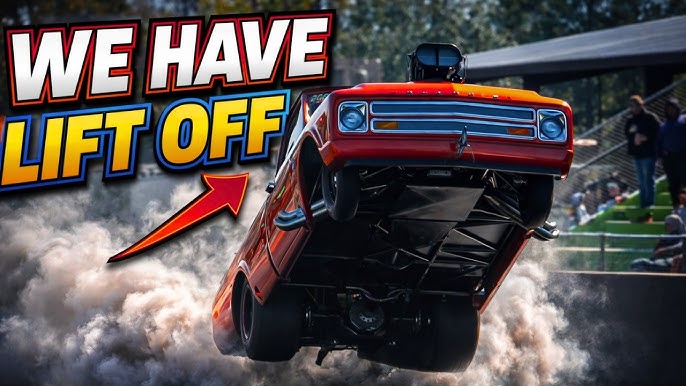
Pro Mod–style competition: where innovation and adaptability matter most
-
Outlaw and alternative nitro formats: where IHRA is gaining attention
-
Sportsman categories: where racer participation drives long-term health
NHRA still owns the pinnacle classes, but IHRA is making strategic inroads where flexibility and cost control matter most.
Fans Are the Wild Card
Drag racing audiences are changing. Fans now follow:
-
Drivers over series
-
Content over calendars
-
Competition over tradition
That shift benefits whichever organization delivers:
-
Better racing
-
More access
-
Stronger storytelling
In 2026, fan engagement may be just as important as elapsed times.
Who Has the Advantage Right Now?
-
NHRA holds the crown: history, infrastructure, and elite prestige
-
IHRA holds momentum: adaptability, opportunity, and disruption
This isn’t a zero-sum game—both can grow. But in terms of who shapes the narrative, 2026 will reveal whether dominance still belongs to legacy or to evolution.
What to Watch as the Season Unfolds
Pay close attention to:
-
Driver announcements and series switches
-
Rule updates and class expansions
-
Event attendance and car counts
-
Sponsor alignment and media visibility
Those indicators—not press releases—will show who’s winning.
Final Thoughts: Competition Is Good for Drag Racing
The NHRA vs IHRA battle isn’t a threat to the sport—it’s a revitalization. Competition forces improvement, innovation, and accountability.
Whether dominance in 2026 belongs to NHRA’s proven machine or IHRA’s bold momentum, one thing is certain:
Drag racing is stronger when no single organization can stand still.
Love the that more pro mods are coming to the sport thanks IHRA.