Take a look at this, No Luck With the ’55 at Outlaw Syndicate, Big Gambles in the Finals, and Small Tire Chaos in Florida!

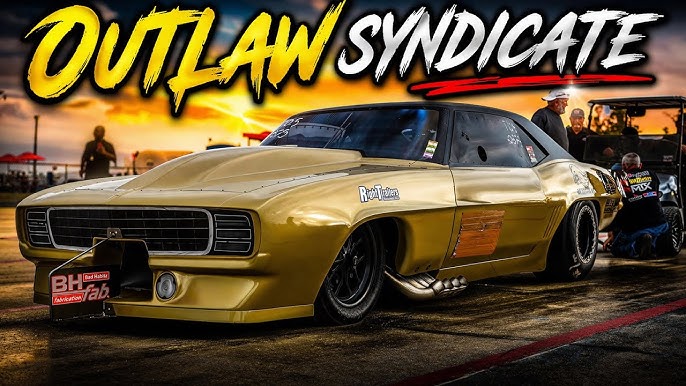
The first-ever Outlaw Syndicate Small Tire Race Series kicked off at North Florida Motorplex in Fountain, Florida, and while the event delivered great racing, big money bets, and a strong turnout, it was also a weekend full of mechanical problems, tough racing decisions, and lessons learned the hard way.
This race marked the beginning of a new small tire series, and expectations were high from racers and fans alike. Teams showed up ready to compete in multiple classes, including the competitive Outlaw 5.30 index class and daily driver classes. But as always in drag racing, things don’t always go according to plan.
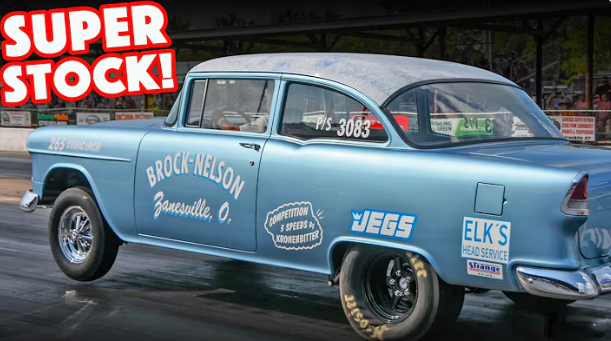
The ’55 Enters the Outlaw 5.30 Class
The team brought their well-known ’55 race car to compete in the Outlaw 5.30 class, while Billy brought a twin-turbo F-150 to run in the daily driver class. The truck was making around 850–900 horsepower to the wheels, and this would be Billy’s first time ever driving down a drag strip, making the weekend even more exciting.
The event itself was also special because it was the first race ever for the Outlaw Syndicate series, meaning organizers were nervous but excited to see how the turnout and racing would go. Everyone knew the first event would be a learning experience, but the goal was simple:
Good racing, safe racing, and a great time for fans and drivers.
Early Mechanical Problems Hit Both Vehicles
Unfortunately, the racing weekend quickly turned into a troubleshooting session.
The ’55 made its first pass, but the car was breaking up badly on the top end, clearly not running correctly. At the same time, Billy’s twin-turbo F-150 also started having issues on its first passes. At first, the team suspected transmission problems, but later they discovered the real issue was likely fuel system related.
After further inspection, they found that:
- The secondary fuel pump was not turning on
- Several relays and fuses were melted
- The truck was likely running lean, causing performance problems
It was a tough break, especially since it was Billy’s first time racing, but the team remained confident the truck would run strong once fixed. With the power it had, they believed it could easily run 10-second passes once sorted out.
The Real Problem With the ’55
The problems with the ’55 turned out to be more complicated than expected.
After more testing, they discovered:
- The battery hold-down was loose or broken
- The battery was contacting the positive terminal
- This was shutting the car down during runs
- The belt setup kept failing due to a modified accessory setup for an electric water pump
- The car continued cutting out on the big end
- Braking issues caused the car to lock up tires and pull toward the wall
Even after installing a bigger battery and trying to fix the setup, the car still wasn’t competitive enough to run consistently on the 5.30 index, which is required to win in that class.
By the end of the event, the driver admitted the car might need major changes, including:
- Removing weight
- Possibly switching to methanol
- Turning the car into more of a dedicated race car instead of a street car
Big Money Bets and Finals Action
Even though the ’55 struggled, the event still delivered plenty of action — especially around the finals.
Once eliminations got serious, racers started making side bets and money races, with negotiations happening right in the pits. The bets climbed from $1,000 to $2,000 and eventually $2,500, showing just how serious small tire racing can get.
Trash talk, betting, and last-minute matchups are a huge part of small tire racing culture, and this race had plenty of it.
In the end, the finals came down to a big-money race involving Scott and other competitors, and the team ended up gambling on Scott in the finals, which added even more excitement to the event.
The First Outlaw Syndicate Event Was Still a Success
Even with broken parts, electrical issues, fuel system problems, and tough racing luck, the overall conclusion was simple:
The first Outlaw Syndicate Small Tire event was a success.
There was:
- Good turnout
- Competitive racing
- Big money on the line
- Lots of testing and learning
- A strong foundation for future events
The next Outlaw Syndicate race was already being discussed, with another event planned in Brainerd, Georgia, and racers were already looking forward to the next chance to compete.
Final Thoughts
Drag racing weekends don’t always end with trophies — sometimes they end with broken parts, new ideas, and lessons learned. That was exactly the case at Outlaw Syndicate Series Race 1.
The ’55 didn’t perform the way the team wanted. Billy’s twin-turbo F-150 had fuel system problems. But the event itself proved something important:
Small tire racing is alive, the Outlaw Syndicate series has potential, and the next race will be even bigger.
And in drag racing, sometimes the biggest wins come after the toughest weekends.