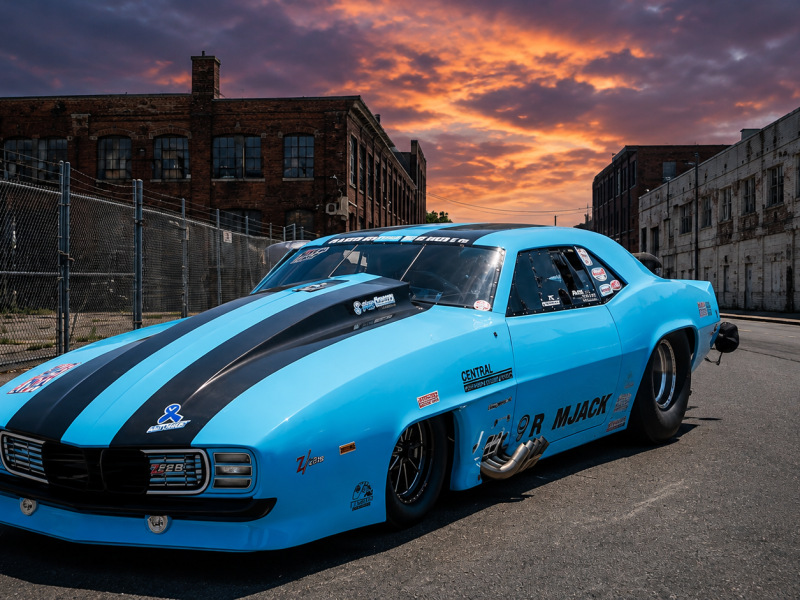
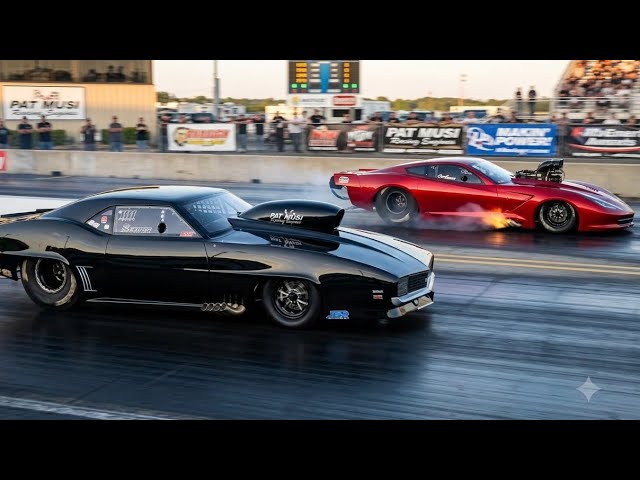
Take a look at this, The RISE and FALL of STREET OUTLAWS, The car culture destroyed by television!
For many fans, Street Outlaws changed drag racing forever.
What started as a television series about a small group of Oklahoma street racers grew into one of the most successful motorsports franchises on cable TV. Along the way, it created new opportunities for racers, attracted thousands of new fans to drag racing, and launched the careers of personalities like Justin Shearer, Ryan Martin, Shawn Ellington, Jonathan Day, and Kye Kelley.
At the same time, many longtime fans believe television fundamentally changed the culture that originally made the show special.
The Rise: A Show That Felt Authentic
When Street Outlaws debuted, its appeal came from its simplicity.
It focused on:
- Local racers
- Real rivalries
- The Oklahoma 405 list
- Cars built in home garages
- Bragging rights rather than championships
That authenticity attracted viewers who felt they were getting an inside look at a world they had never seen before.
From Streets to Stadiums
As the show’s popularity grew, so did the scale of the competition.
The franchise expanded into:
- No Prep Kings
- America’s List
- Memphis Street Outlaws
- Cash Days
- Regional spin-offs
Instead of local list races, competitors were suddenly racing nationwide for large prize purses and championship points.
For many racers, this transformation created professional opportunities that simply did not exist before.
Did Television Change the Culture?
This is where opinions differ.
Some longtime fans argue that increased production, sponsorships, and larger budgets shifted the focus away from grassroots street racing.
Others point out that television also:
- Helped racers build businesses
- Increased attendance at drag strips
- Brought new fans into the sport
- Created careers for many competitors
Both perspectives can be true at the same time.
The End of an Era
As the original format evolved and television priorities changed, some familiar faces stepped away while others pursued new opportunities in NHRA, Pro Mod, and independent racing.
The conclusion of No Prep Kings as it had been known also marked a significant turning point, encouraging many former cast members to launch their own racing events and series.
Rather than disappearing, many simply moved into different chapters of their careers.
A Lasting Legacy
Regardless of where someone stands on the debate, Street Outlaws left a lasting impact on drag racing.
Its influence can still be seen in:
- The popularity of no-prep racing
- Grassroots racing events
- Racer-driven YouTube channels
- Independent series promoted by former cast members
- Increased fan interest in heads-up door-car racing
Many of today’s biggest outlaw racing events trace part of their popularity to the audience that Street Outlaws helped create.
Was Car Culture “Destroyed”?
That’s a strong claim, and the evidence doesn’t clearly support it.
Television undeniably changed the culture around some forms of outlaw racing, but it also expanded interest in drag racing overall.
Many racers who became famous through the show are still active today, promoting local events, competing in Pro Mod, NHRA, and small-tire racing, or building their own independent series.
A more accurate way to describe it is that the culture evolved. Some traditions faded, new opportunities emerged, and different parts of the racing community grew in response.
Final Thoughts
The story of Street Outlaws isn’t simply one of rise and fall.
It’s the story of a grassroots racing scene that became a television phenomenon, transformed the careers of many racers, and permanently changed the landscape of outlaw drag racing.
Whether you prefer the original Oklahoma street-list days or the high-horsepower No Prep Kings era, one thing is difficult to dispute:
Street Outlaws changed drag racing—and its influence is still being felt long after the cameras stopped rolling. 🏁🔥