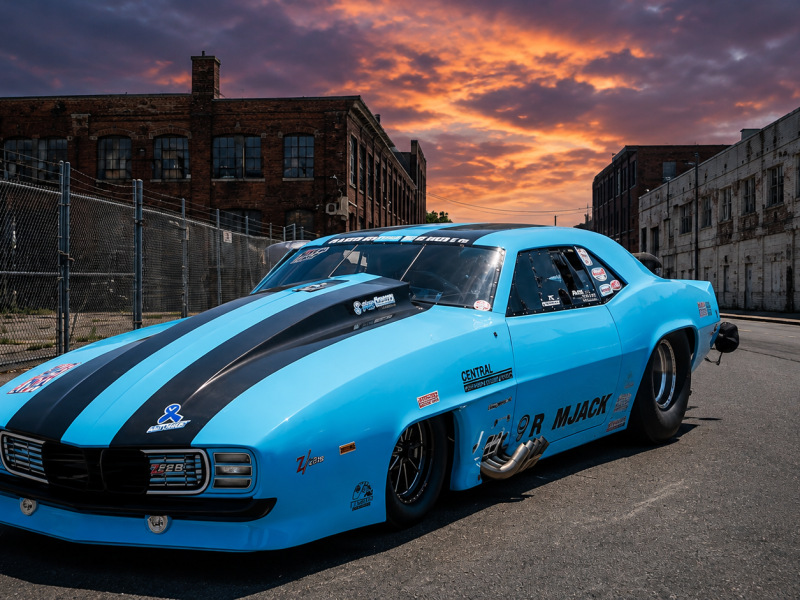
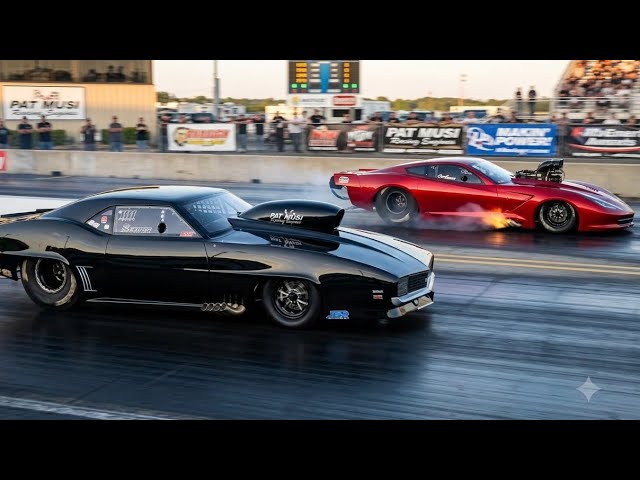
Take a look at this, They’re Making BILLIONS Doing This Illegally: The Hidden Empire of Underground Street Racing!
For decades, underground street racing has existed in the shadows of American car culture. What started as small late-night races between hot-rodders on empty roads has evolved into a billion-dollar underground economy powered by speed, gambling, performance parts, social media, and raw adrenaline.
From the streets of Los Angeles and Houston to massive legal events like TX2K and No Prep Kings, the culture has grown into something far bigger than most people realize. Behind every burnout and quarter-mile showdown lies an industry generating massive amounts of money every single year.
The Birth of Illegal Street Racing in America
Street racing traces its roots back to postwar America in the 1950s. Returning World War II soldiers came home searching for excitement, competition, and speed. At the same time, Detroit automakers were producing some of the most powerful V8 muscle cars the world had ever seen.
Young drivers began gathering on long stretches of road across California, Texas, and the southern United States to prove who had the fastest car. These races were unofficial, illegal, and completely unregulated, but they quickly became part of American automotive culture.
At first, the races were simple. Two cars lined up, somebody dropped a flag, and the winner earned bragging rights along with a few dollars in cash. But once crowds started gathering, the money grew rapidly.
How Street Racing Became a Massive Underground Economy
By the late 1950s and early 1960s, organized races were attracting hundreds of spectators. Gambling entered the scene almost immediately. Small bets turned into thousands of dollars changing hands in a single night.
During the 1970s, underground racing transformed from a hobby into a full-blown subculture. Racing crews formed in major cities including Los Angeles, Miami, Houston, and New York. These crews were not only racing for pride but also for serious money.
Some race nights reportedly generated tens of thousands of dollars in cash through betting alone. Entire cars were sometimes wagered in “race for pink slips” competitions where the loser handed over ownership of their vehicle.
Unlike traditional sports, there were no contracts, no courts, and no refunds. The streets created their own rules.
The Real Money Is in the Performance Parts Industry
One of the biggest revelations from underground racing culture is how much money flows through the aftermarket performance industry.
Every serious street racer spends enormous amounts upgrading their vehicle. Turbochargers, superchargers, suspension systems, fuel systems, tires, engine internals, electronics, and tuning services can easily push a build well beyond $100,000.
Performance tuning shops became legendary in the underground world because they could deliver extra horsepower that often meant the difference between winning and losing.
By 2005, the United States aftermarket auto parts industry had reportedly grown to over $30 billion. A significant portion of that growth was driven directly by street racing culture, even if companies publicly avoided endorsing illegal racing.
Brands such as HKS, Brembo, and Greddy became household names among racers looking for every possible advantage.
The Fast and the Furious Changed Everything
In 2001, Hollywood unintentionally supercharged the underground racing scene forever with the release of The Fast and the Furious.
The movie turned modified import cars into a global obsession overnight. Honda Civics, Nissan Skylines, Toyota Supras, Mitsubishi Evos, and turbocharged builds became symbols of speed culture for an entire generation.
Aftermarket parts sales exploded. Tuning shops opened across America. Internet forums connected racers from different states and countries for the first time.
The movie also introduced millions of people to Japanese drift culture, import tuning, and underground racing traditions that had existed quietly for years.
What was once local suddenly became international.
Social Media and YouTube Created Racing Millionaires
Modern street racing is no longer hidden entirely underground. YouTube and social media transformed the culture into a massive entertainment business.
Channels dedicated to drag racing, no prep racing, roll racing, and street builds now attract millions of viewers worldwide. Some creators reportedly generate seven figures annually through advertising revenue, sponsorships, merchandise sales, and event promotions.
Ironically, while the content itself is legal to film and upload, many of the cars featured are often not street legal at all.
This digital explosion allowed underground racing culture to reach mainstream audiences while keeping its rebellious image intact.
Legal Events Borrowed the Underground Formula
The success of shows like Street Outlaws and events like No Prep Kings proved that underground-style racing could become commercially successful in legal environments.
Events such as TX2K, Lights Out, and Radial vs The World now attract some of the fastest street cars on Earth while offering large prize pools and national recognition.
These events generate millions through sponsorships, merchandise, ticket sales, hotel bookings, and local tourism.
The line between legal racing and underground street culture has become increasingly blurred.
Many of today’s top racers built their reputations illegally on the streets long before racing on professional tracks.
Why Underground Street Racing Still Exists
Despite police crackdowns, arrests, car seizures, and increasing safety concerns, illegal street racing continues across America every weekend.
The reason is simple: the culture is decentralized and deeply rooted in competition.
There is no single leader, company, or organization controlling it. Street racing exists because people naturally want to know who has the faster car.
That competitive instinct fuels everything around the industry:
- Gambling
- Performance shops
- Social media content
- Merchandise
- Large racing events
- Automotive sponsorships
- Underground tuning networks
The entire billion-dollar ecosystem can ultimately be traced back to two cars lining up on a dark road.
The Future of Street Racing Culture
Today, underground racing culture sits in a strange position between outlaw rebellion and mainstream entertainment. While legal events continue growing rapidly, illegal street racing remains active in nearly every major city in America.
Technology has made modern street cars faster than ever before, while social media continues feeding the global appetite for racing content.
Whether on a deserted highway, a no prep drag strip, or a massive event like TX2K, the obsession with speed shows no signs of slowing down.
As long as there are fast cars and competitive drivers, street racing culture will continue evolving — and the billion-dollar industry surrounding it will keep growing right alongside it.