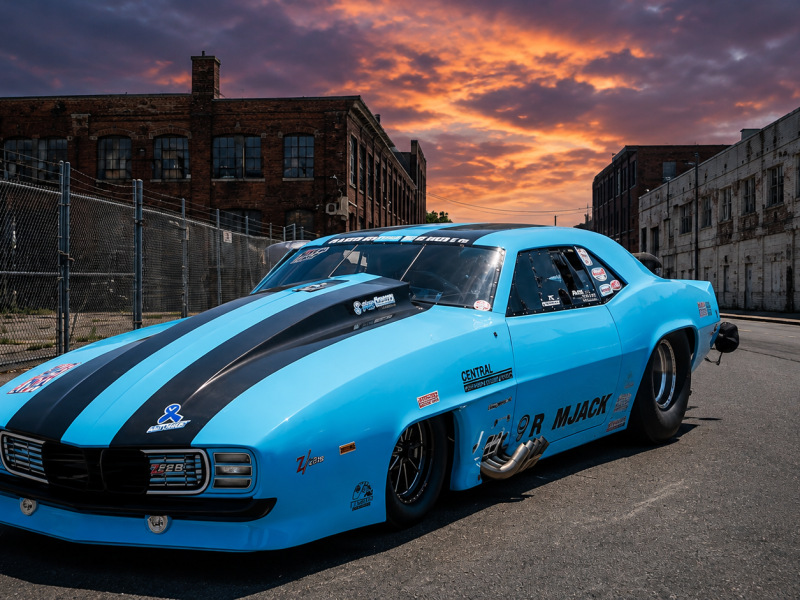
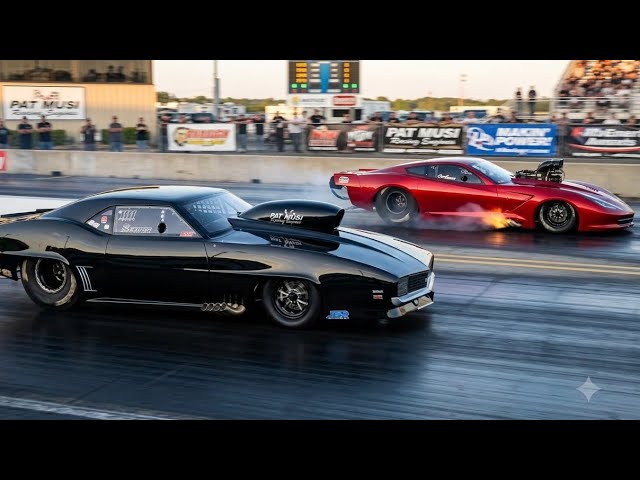
Do you know Why NHRA Was FORCED To Respect Street Outlaws After 10 Years!
For years, many traditional drag racing fans treated Street Outlaws like entertainment instead of serious motorsports.
The criticism was constant:
“They are not real racers.”
“They could never compete in NHRA.”
“It is just TV drama.”
But after a decade of evolution, bigger budgets, faster cars, and crossover success, the conversation changed completely.
Because eventually, NHRA had no choice but to respect what the Street Outlaws world had become.
Street Outlaws Started as TV Chaos
In the beginning, the appeal came from:
Street racing drama
Big personalities
Wild callouts
Raw no prep action
It looked very different from polished NHRA professionalism.
That difference caused a lot of traditional racers to dismiss the entire scene early on.
Then the Cars Started Getting Extremely Fast
What changed everything was performance.
Street Outlaws programs evolved from rough street builds into:
Full tube chassis cars
Pro Mod level combinations
NHRA caliber horsepower setups
Drivers like:
Ryan Martin
Kye Kelley
Shawn Ellington
began running numbers impossible to ignore.
At some point, speed speaks louder than reputation.
NHRA Crossovers Changed Perception
The biggest turning point came when Street Outlaws stars started entering more structured NHRA environments.
Fans suddenly saw:
Ryan Martin winning NHRA Outlaw Street races
Kye Kelley becoming dangerous in Pro Mod style competition
Street Outlaws cars adapting surprisingly well to prepped surfaces
That forced skeptics to rethink old opinions.
The Audience Power Could Not Be Ignored
Another major factor was popularity.
Street Outlaws brought:
Massive online engagement
Younger audiences
Social media attention
Huge fan loyalty
At a time when motorsports organizations struggled to attract younger viewers, the Street Outlaws world already had them.
That audience power became valuable.
NHRA Needed the Energy Too
Modern drag racing changed.
Fans wanted:
Personalities
Rivalries
Behind the scenes access
Raw emotion
Street Outlaws already understood how to create that atmosphere naturally.
NHRA began realizing the outlaw scene was not competition to destroy
It was energy the sport could learn from.
Respect Was Earned Through Competition
Ultimately, respect came from one thing:
Performance under pressure.
Street Outlaws racers proved they could:
Adapt
Compete
Win
Survive serious professional level racing environments
That erased the idea that they were only TV personalities.
The Two Worlds Are Now Blending
Today the gap between NHRA and Street Outlaws feels smaller than ever.
You now see:
Outlaw Street classes
Cross promotion
Shared fan bases
Drivers moving between formats regularly
The cultures are no longer completely separate.
Final Thoughts
After 10 years, NHRA was eventually forced to respect Street Outlaws for one simple reason
The cars got too fast
The fan base got too big
And the racers kept proving themselves.
What started as chaotic television slowly evolved into one of the most influential forces in modern drag racing culture.